To adorn your home is to make it yours.
A home is not the address. It is what you do to a place once you are inside it: the things you hang, the things you keep, the light you choose to live by.
I came to see it that way from three books, none of them about decorating, all of them about home. They are South Asian, they sit on the same shelf I carried to India, and together they make one argument: a home is not given to you. It is something you make a place into, and the making is the proof that it is yours.
Three books on home
Behind the Beautiful Forevers
Katherine Boo · 2012
Three years of reporting inside Annawadi, a makeshift settlement pressed between Mumbai's international airport and its luxury hotels, screened from the road by a billboard for floor tiles that reads ‘Beautiful Forever.’ Boo follows the garbage-sorters, the strivers, and the children working a way up.
On home
The book that taught me home is a verb. In a one-room shack beside a runway, people still sort and save and hang things and hope. Dignity is not the house you are given; it is what you make of the one you have. Adornment tracks even into a slum.
Dreamers
Snigdha Poonam · 2018
Portraits of young people in small-town India (coaching centers, call centers, content farms) hustling toward a modern life that may not have a seat for them. Home is the town that made them and the thing their ambition strains against.
On home
The other half of the idea: home as the place you are from, and the place you are trying to become someone other than. To make a home yours can also mean leaving the first one.
Lords of the Global Village
Dilip Chitre
The Marathi poet of the Pune–Bombay world, also a painter and a translator, writing at the seam where a rooted, local life meets a globalizing one. He turns up on my India shelf too.
On home
Home as rootedness under pressure: staying yourself, and your place, while the global village works to make everywhere the same. Belonging is something you hold onto.
What the body knows
There is a reason a home, done right, feels like exhaling. Some of it is measurable.
Environmental psychologists call the bond you form with a place place attachment. Scannell and Gifford split it three ways: the person, the place, and the process. What you feel there, what you remember there, what you do to stay near it. Home is the strongest case. Attachment researchers call it a secure base: the way a child uses a parent as the safe point to explore from and come back to, an adult uses home.
And the things you put in it are not decoration in the throwaway sense. Russell Belk’s extended self is the finding that who you are reaches past your body into what you keep: cherished objects hold your memories and your people and quietly tell you who you are. To adorn a home is to extend yourself into it. That is why an adorned place reads as yours: in a real psychological sense, it is partly you.
What it does to the nervous system
Below thought, your body is always scanning the room. Stephen Porges named it neuroception: the subconscious read of a space for cues of safety or danger, running faster than you can decide anything. A home you know, full of your own safe signals, comes back safe — and when the nervous system reads safe, it stands the sympathetic system, the fight-or-flight gear, down and lets the rest-and-restore branch take over.
It shows up in the blood. In one study, how women described their homes, restorative or stressful, tracked their daily cortisol, the stress hormone moving with the felt quality of the rooms. Familiar surroundings tell the brain it can lower its guard, and the chemistry follows. A home is not where the threat goes away. It is where the body finally believes there isn’t one.
Sources: place attachment (Scannell & Gifford); the extended self (Belk, 1988); neuroception & polyvagal theory (Porges); home descriptions vs. cortisol (Saxbe & Repetti, 2010).
My home
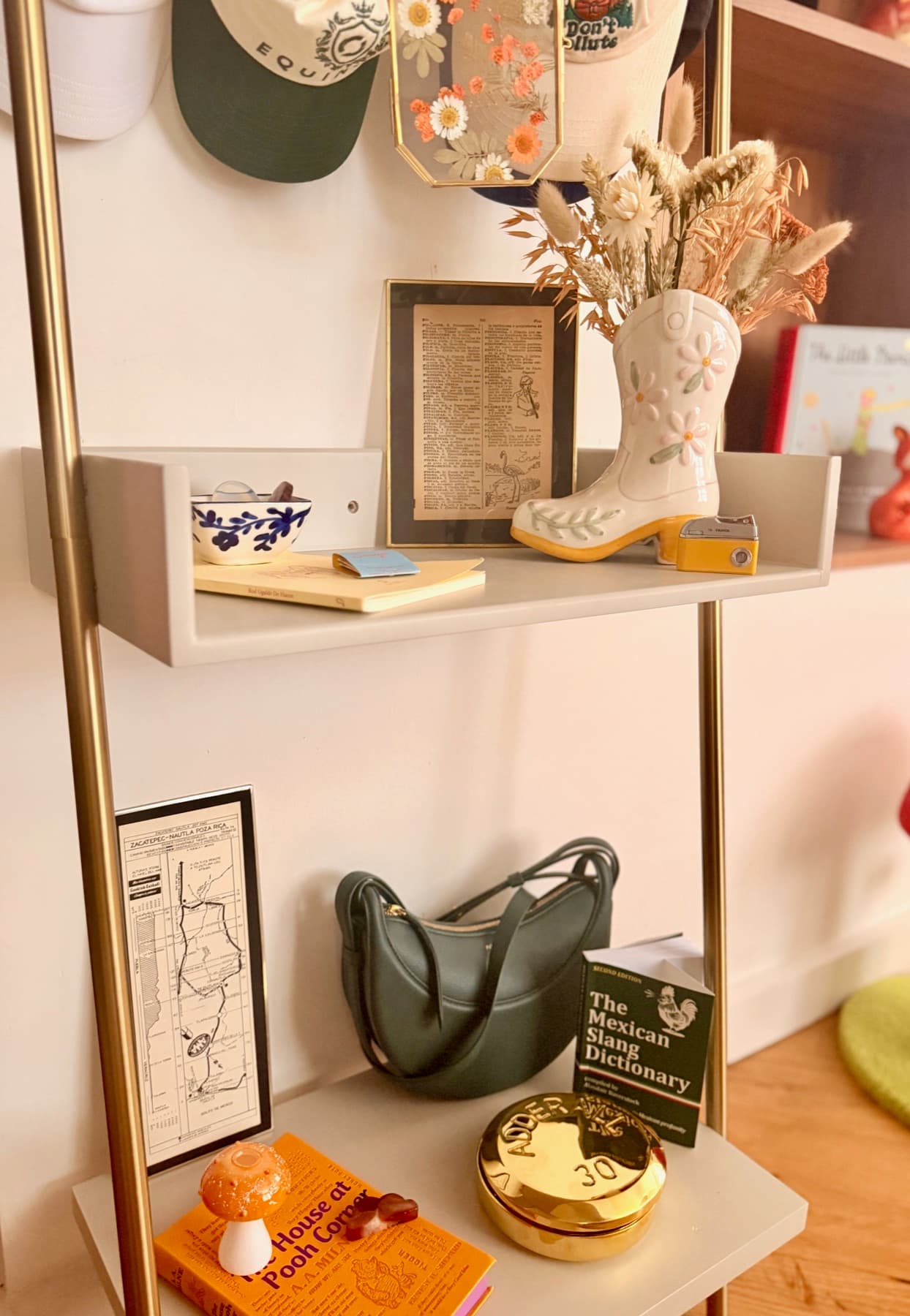
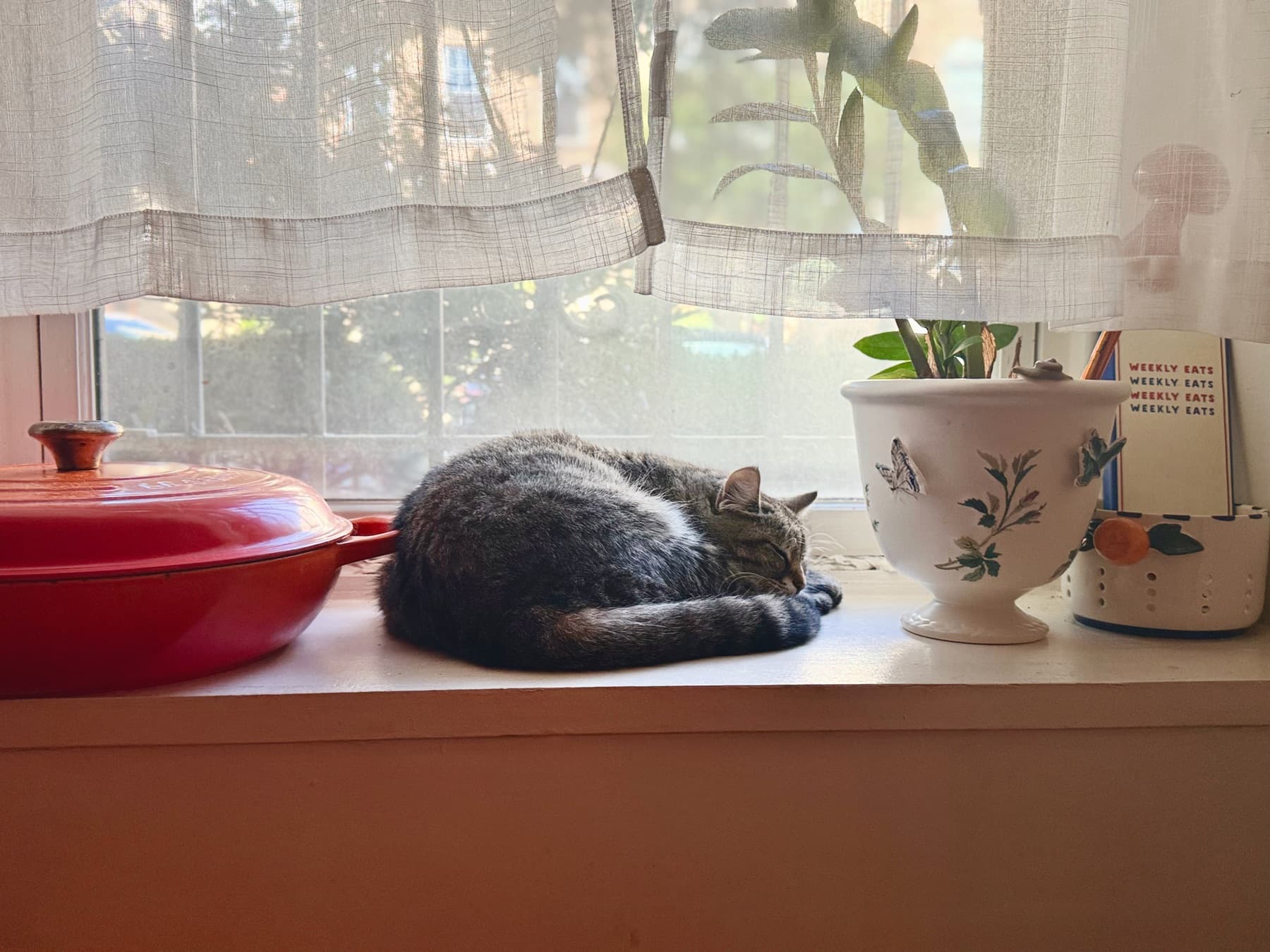
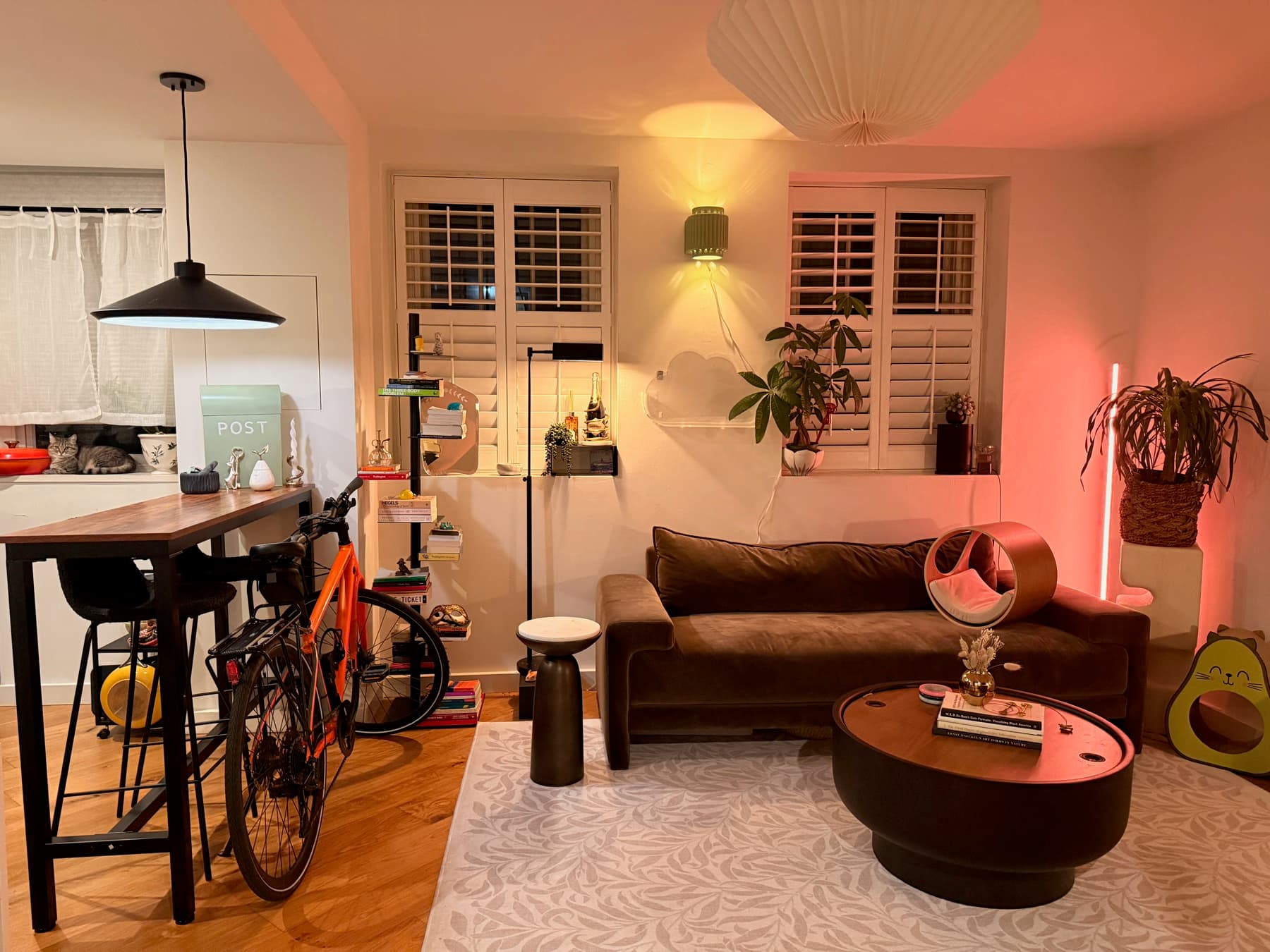
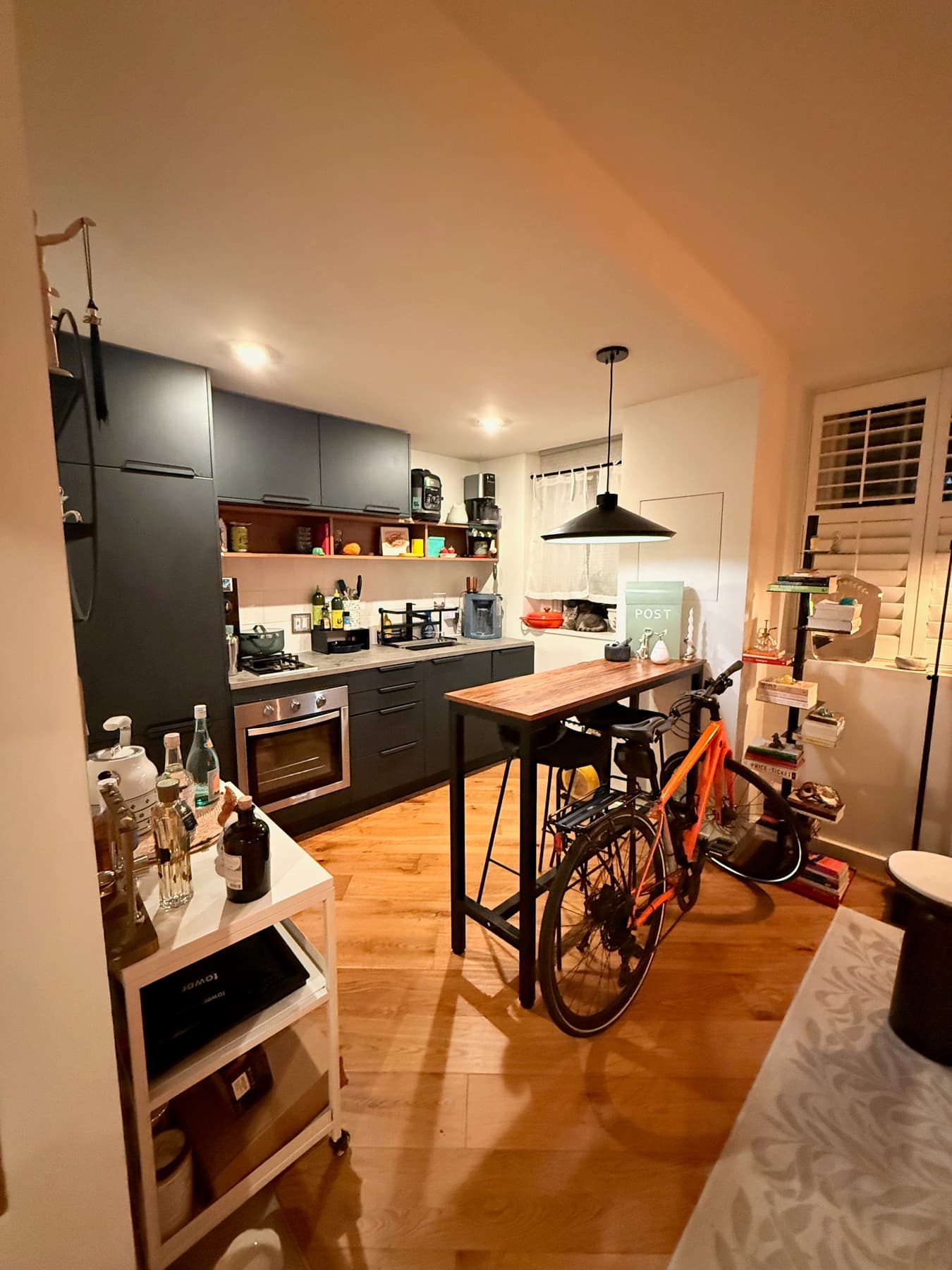
Here is mine: a one-bedroom in Kalorama, in Washington, through 2025. The plants, the warm lamplight, the framed art, the vintage pieces, the bulletin board of race bibs and ticket stubs, the cat on the windowsill, the old family photo kept where I can see it. The home I adorned until it was unmistakably mine.
None of it is about the place being grand. It is about a place becoming legible as a person — this person.
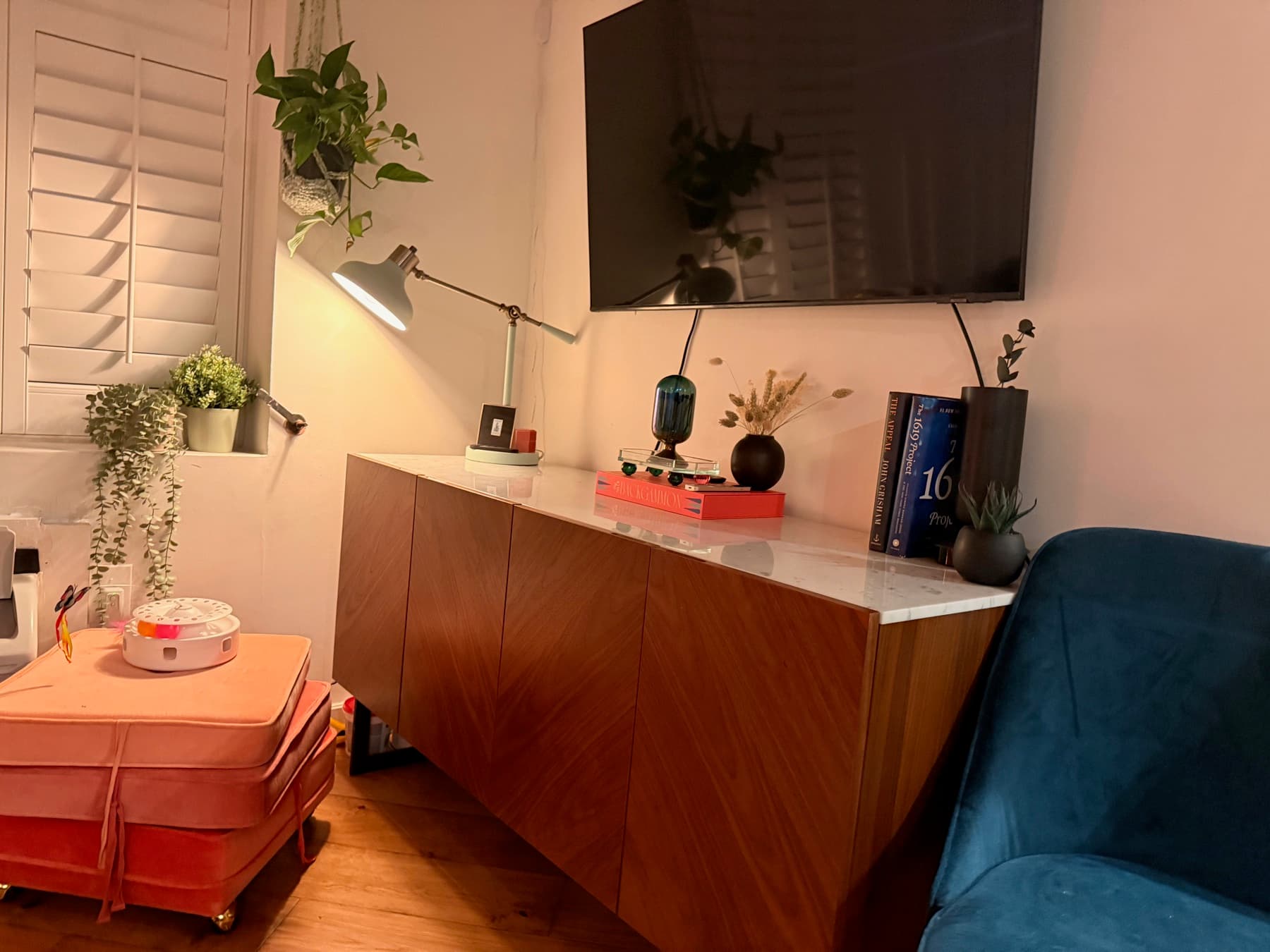
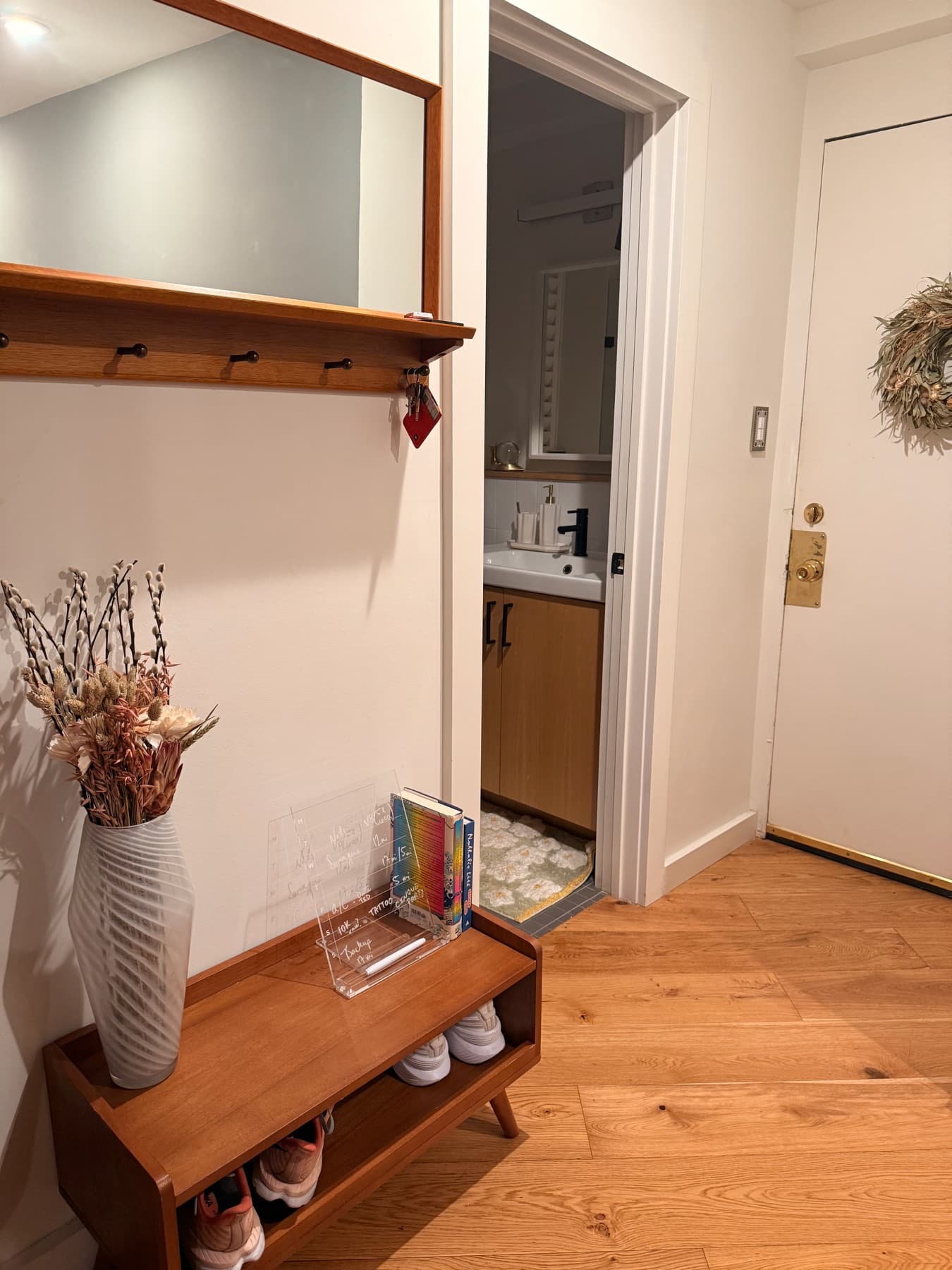
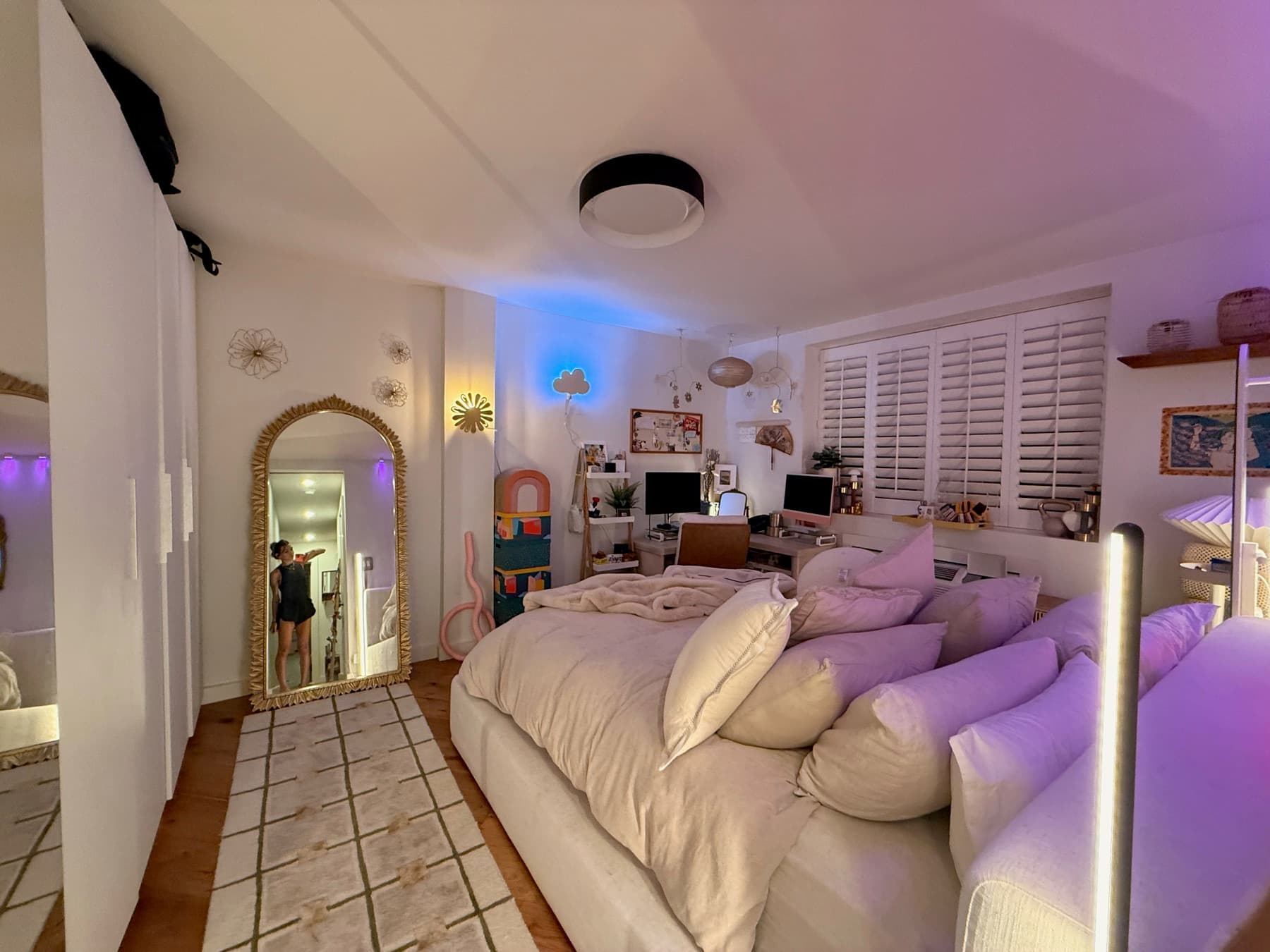
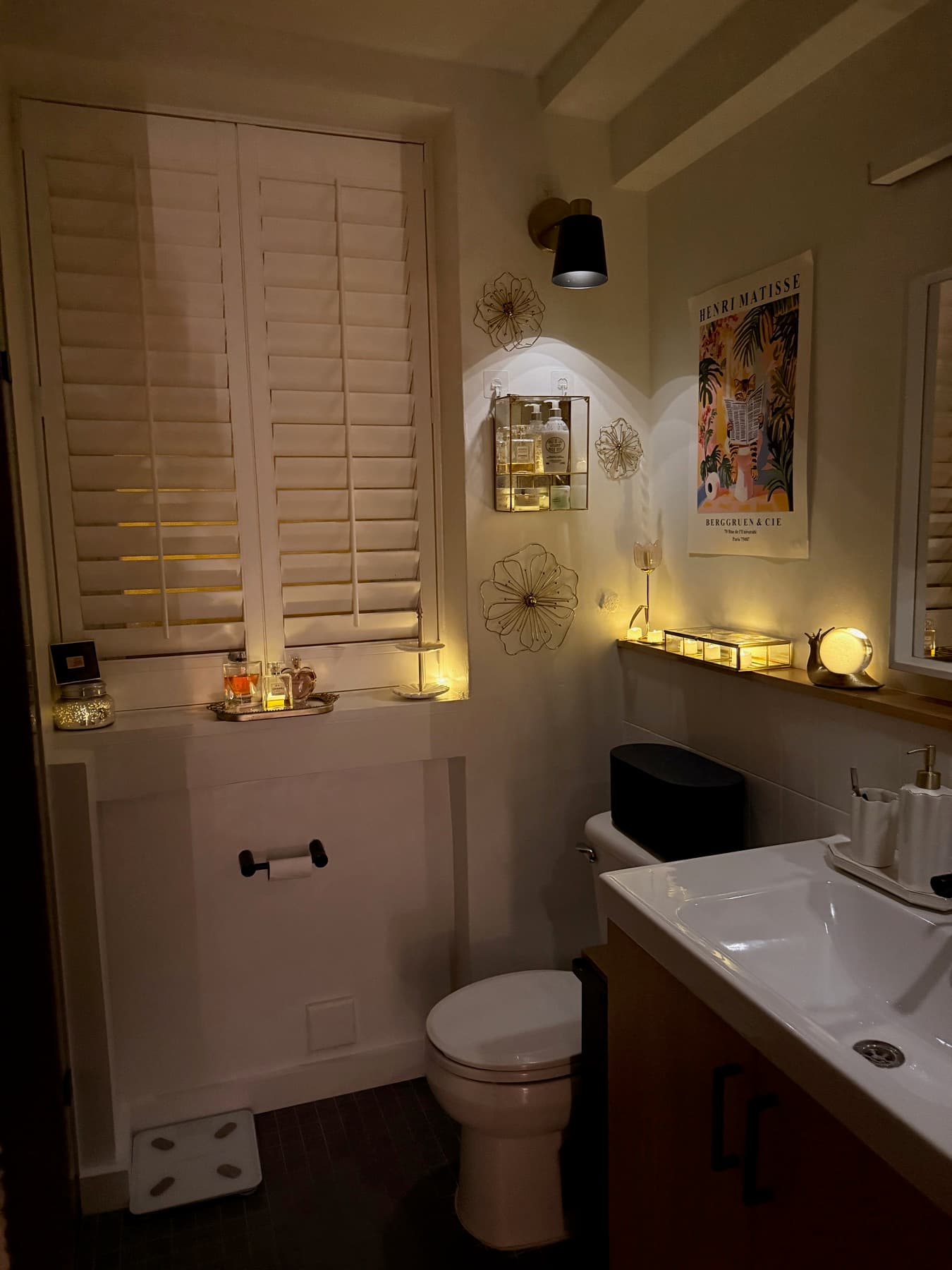
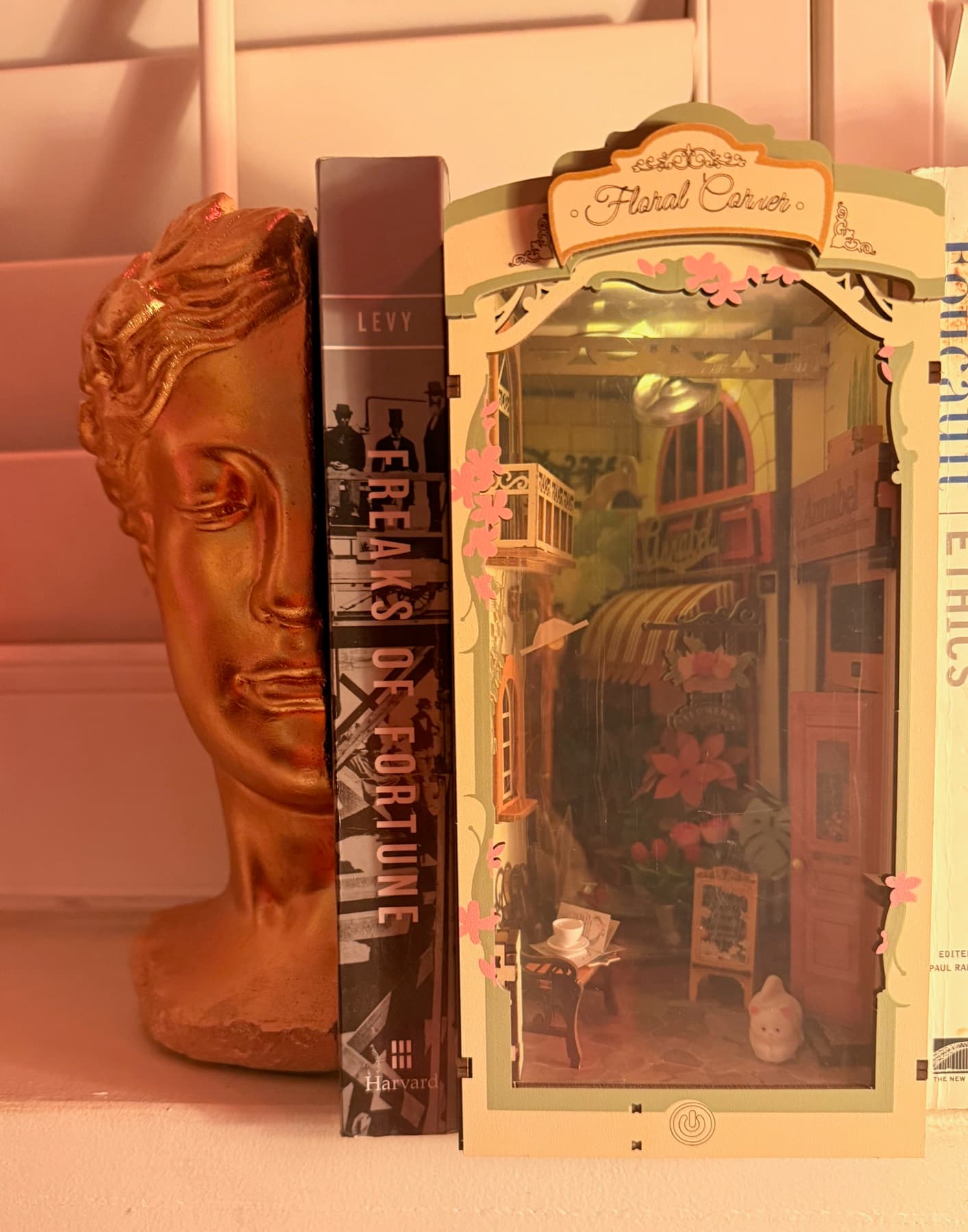
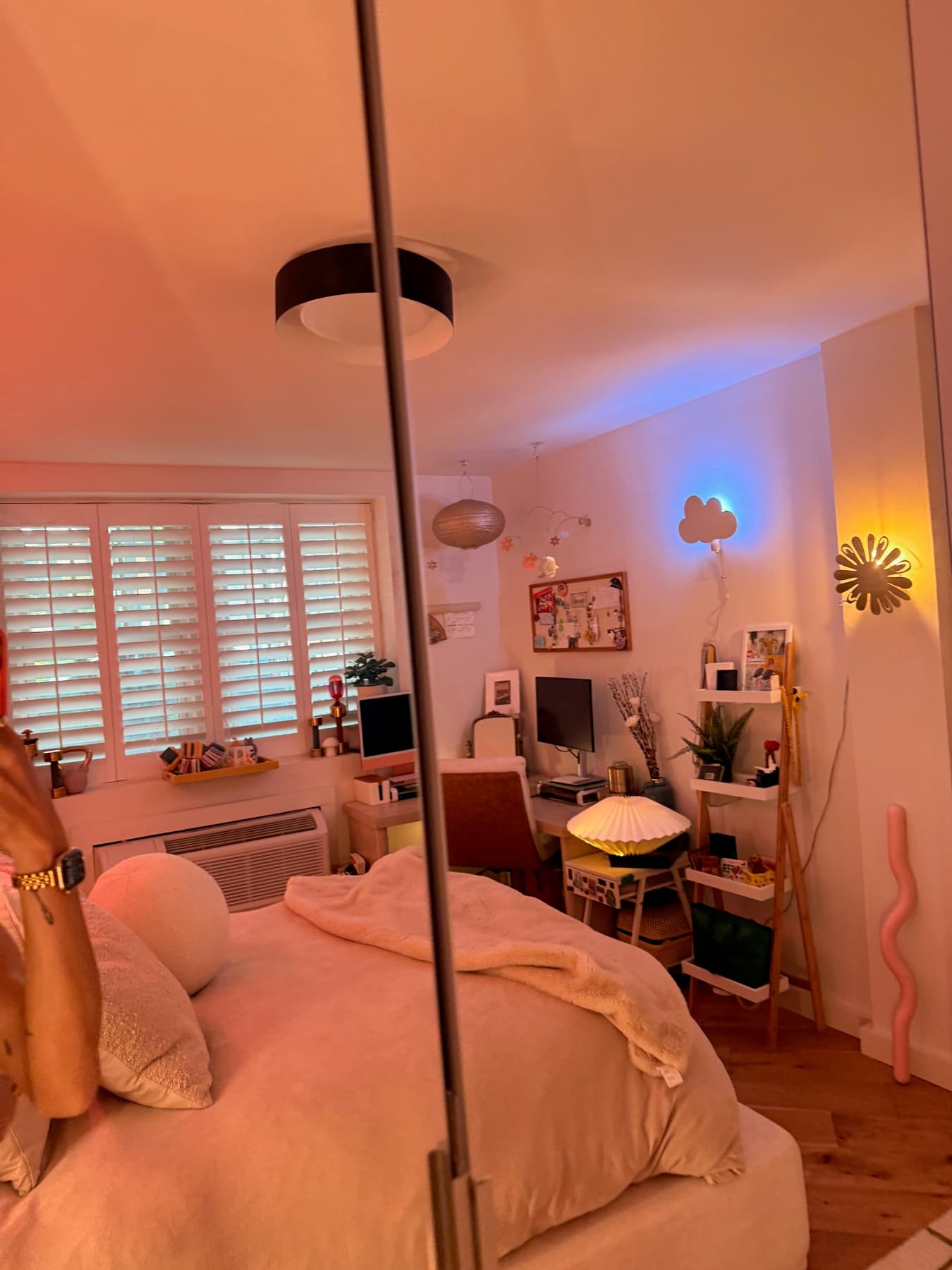
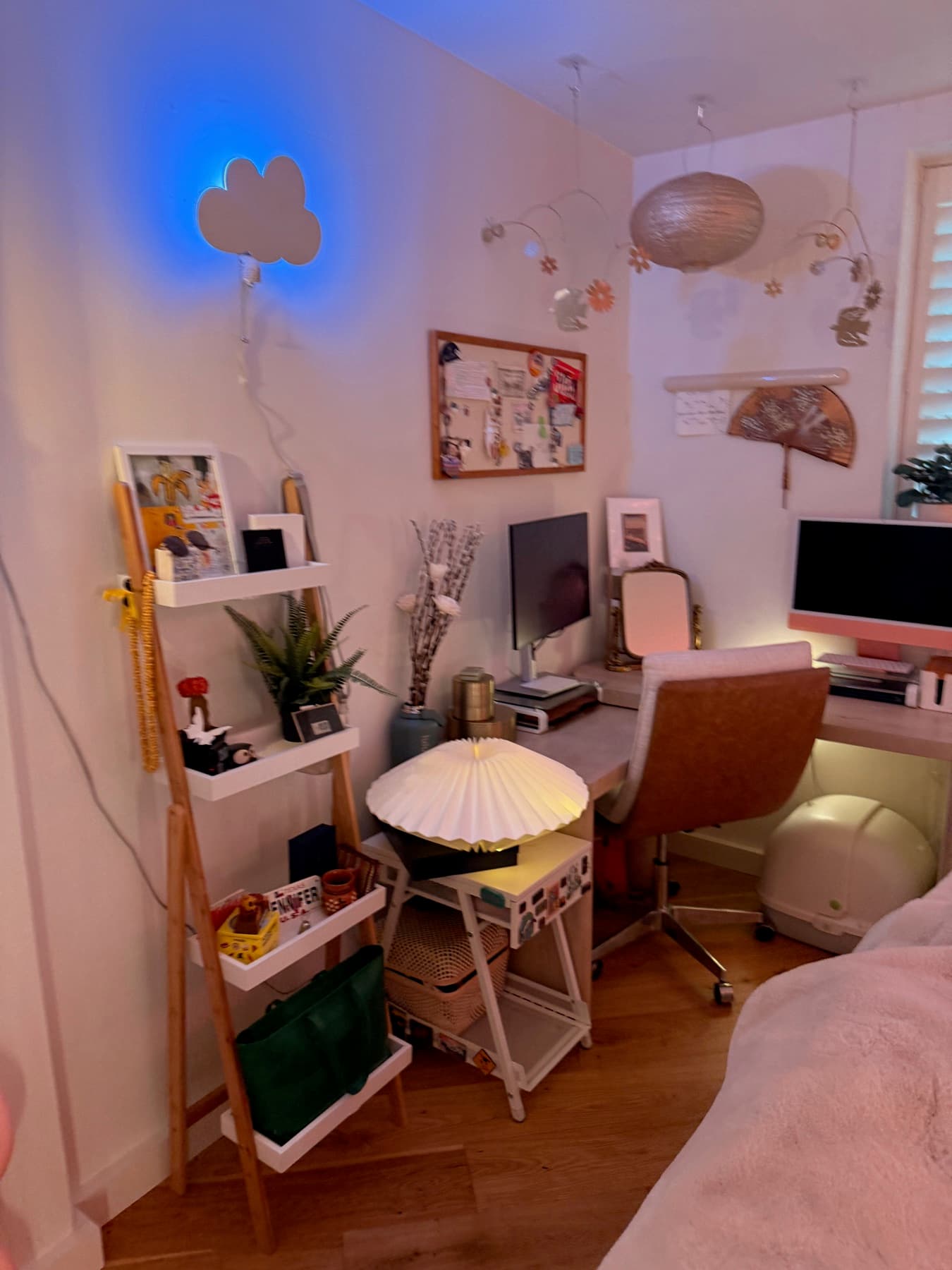
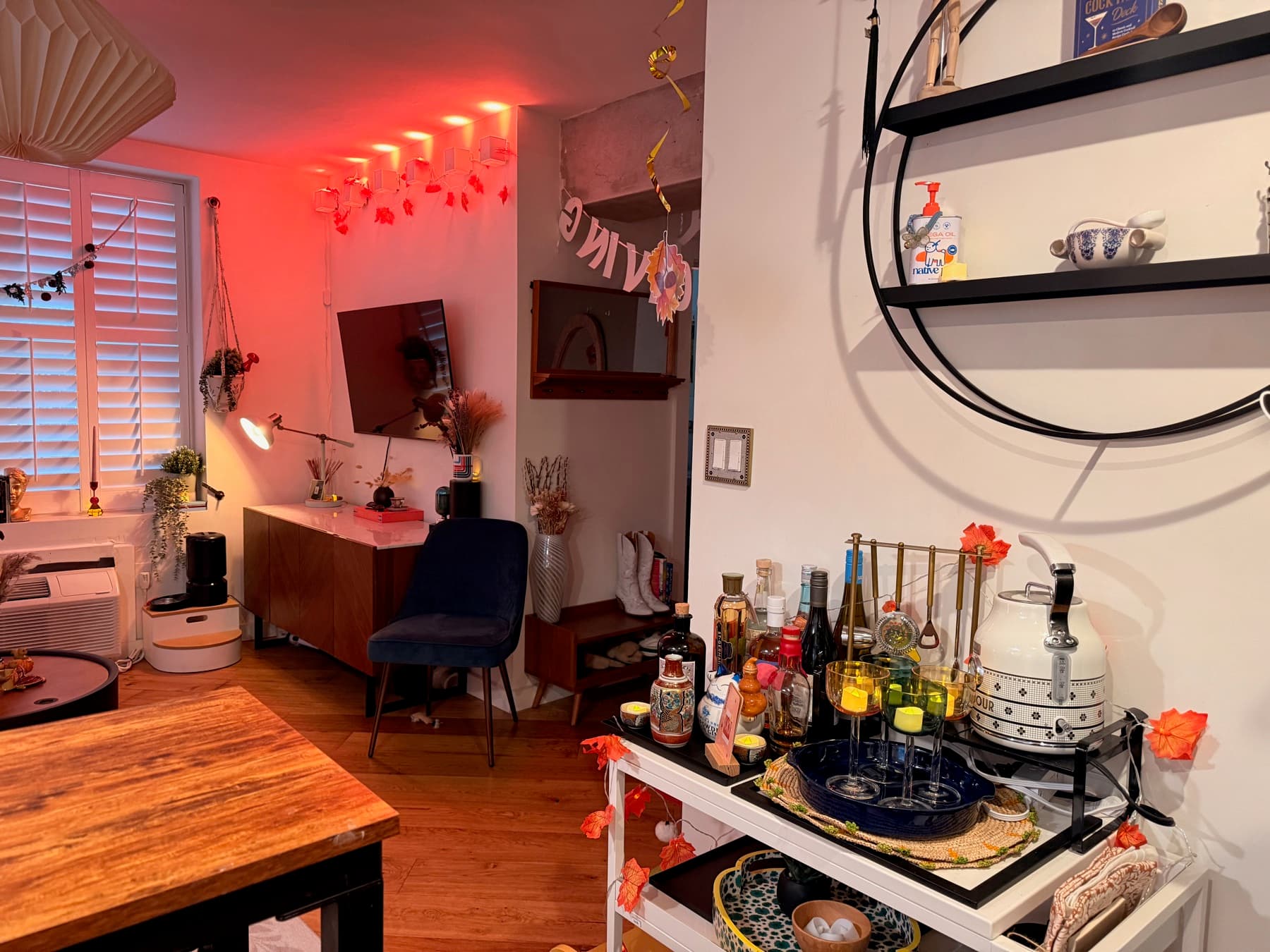
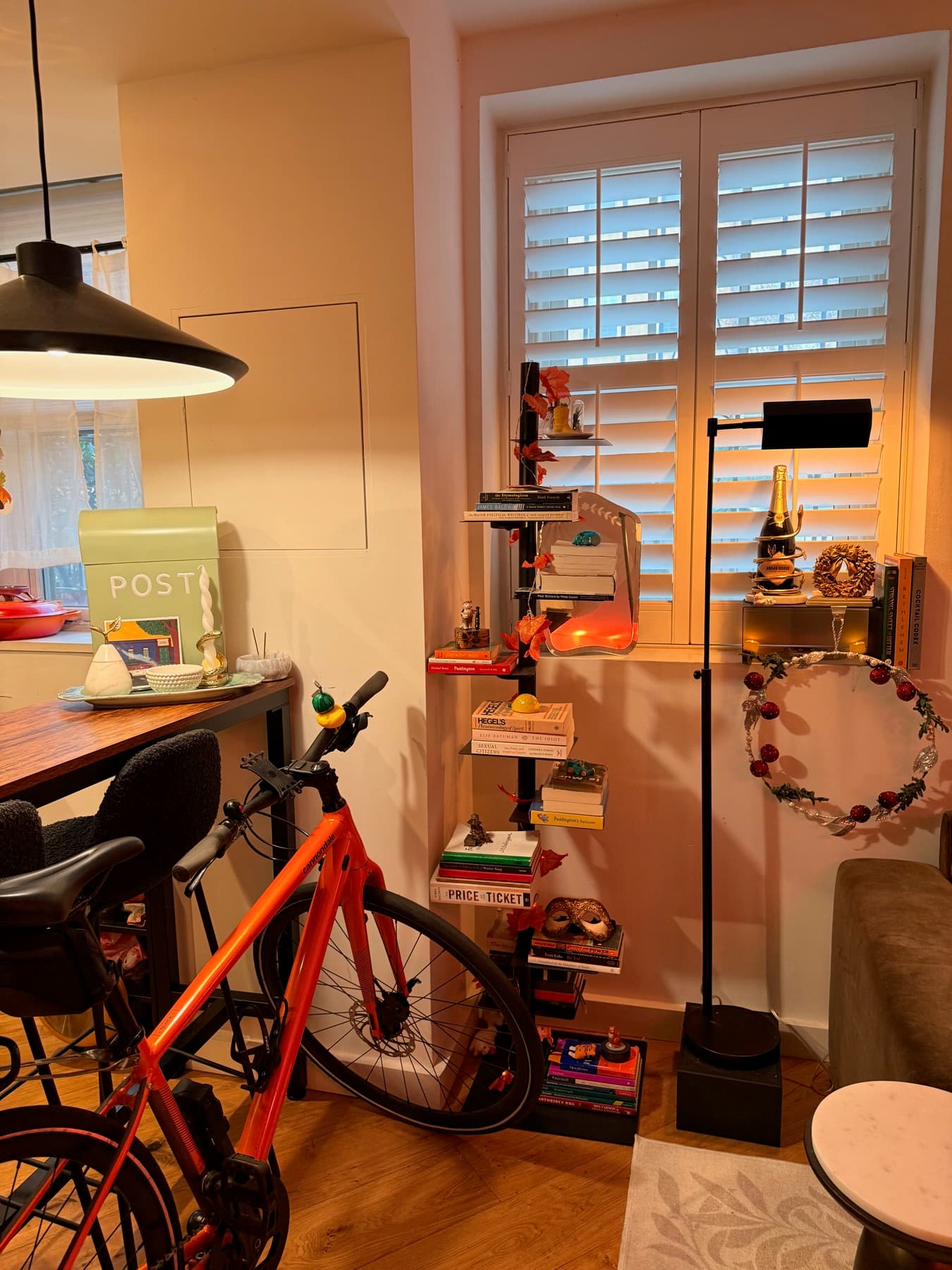
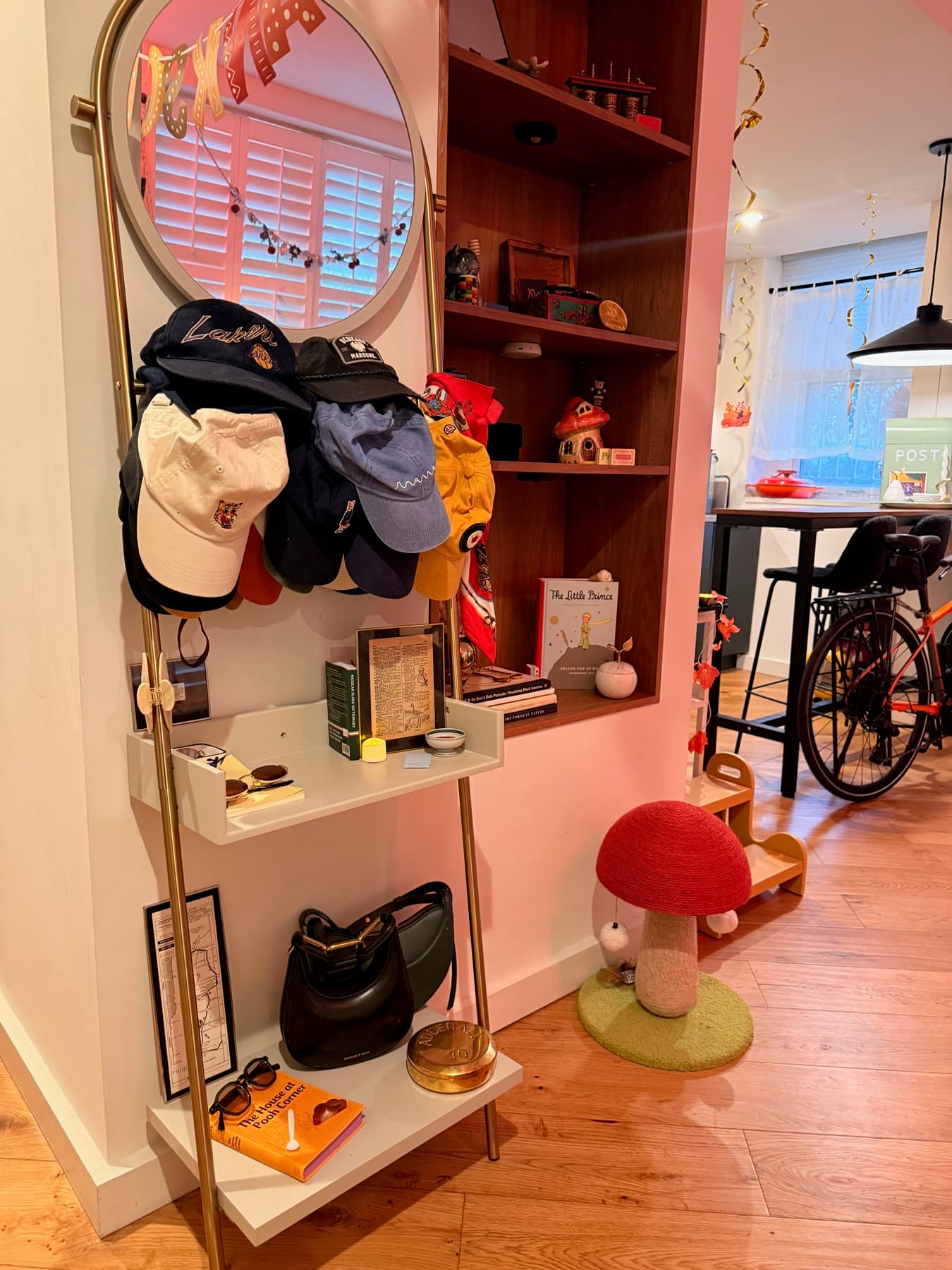
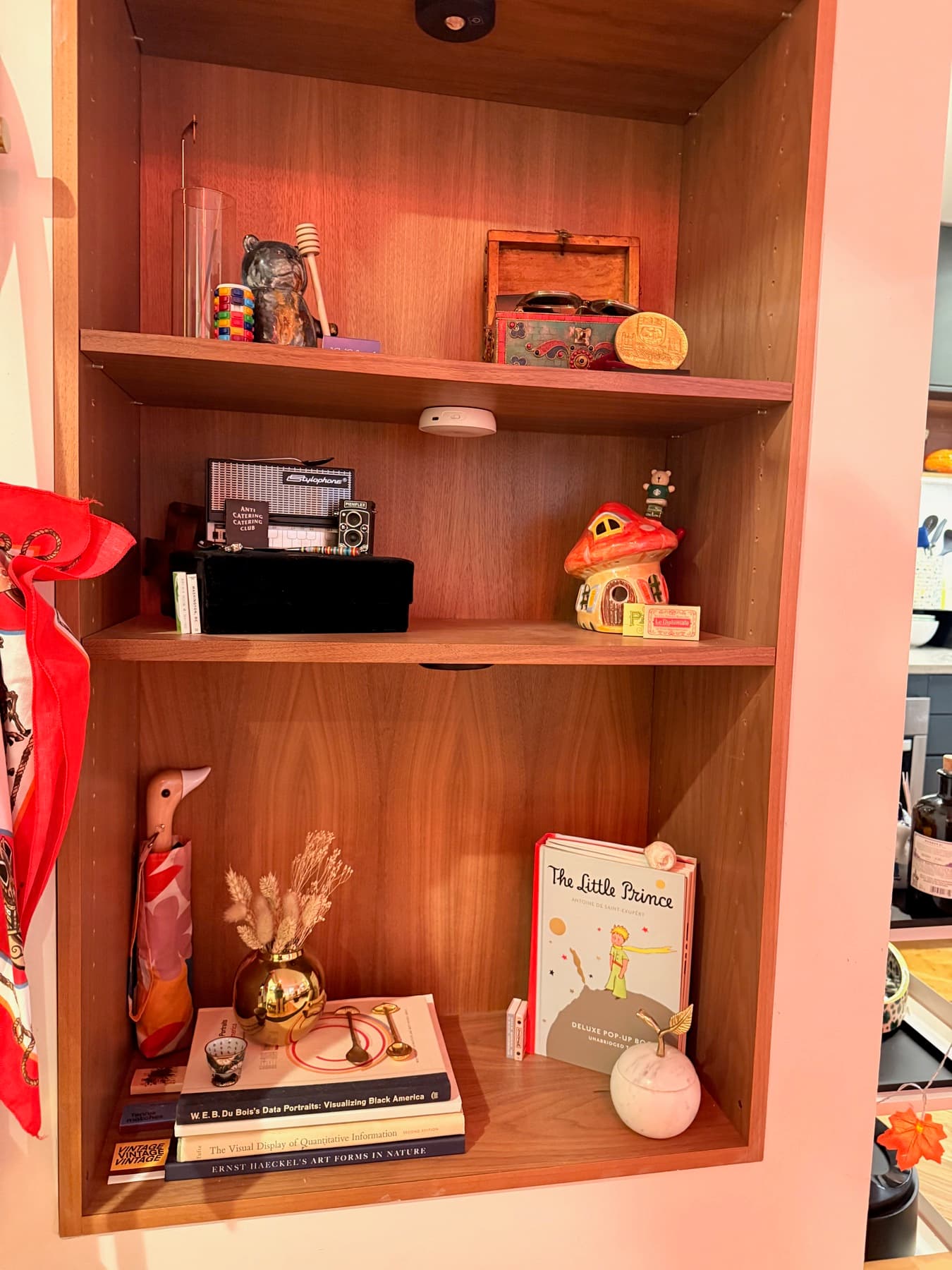
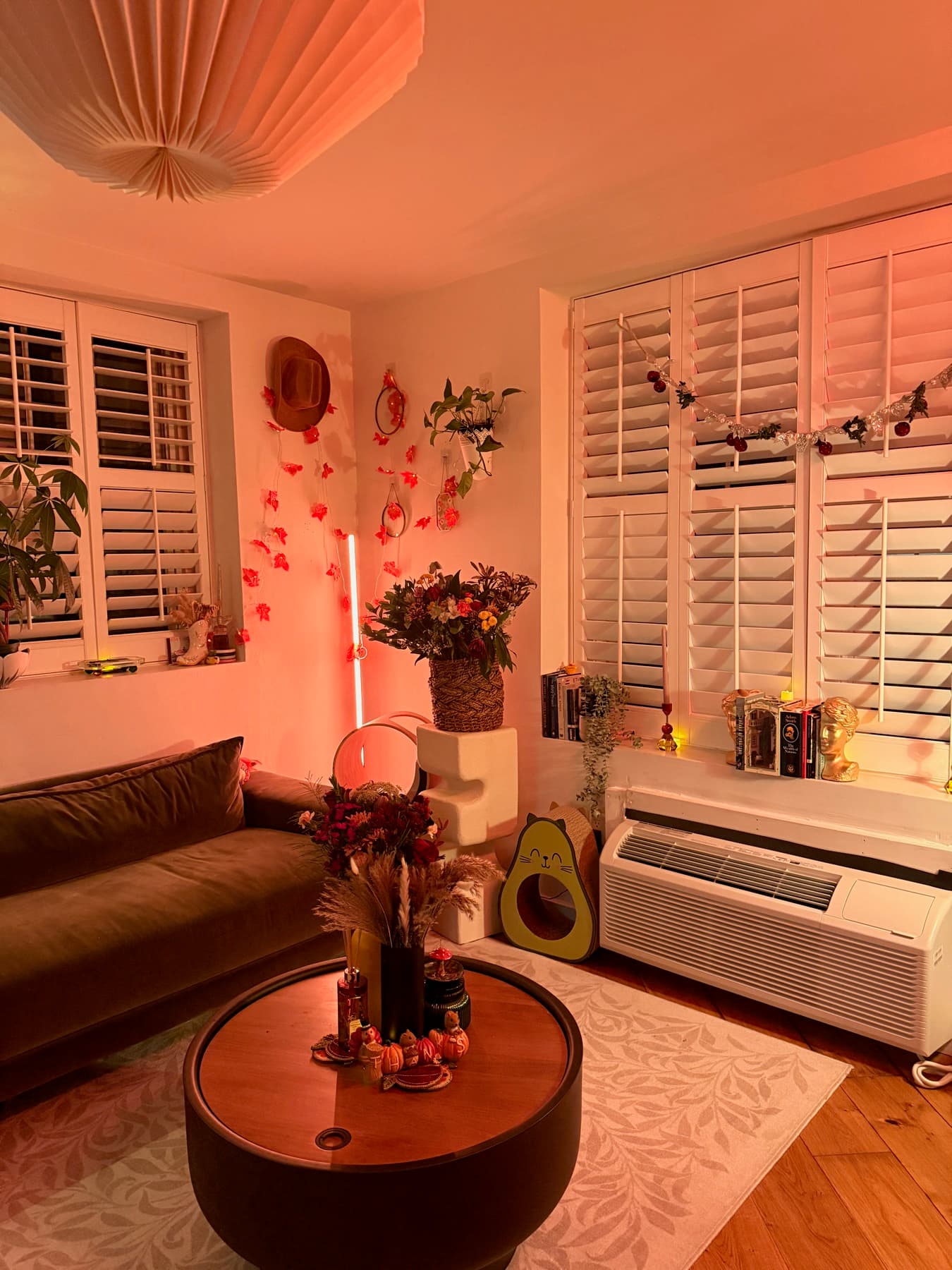
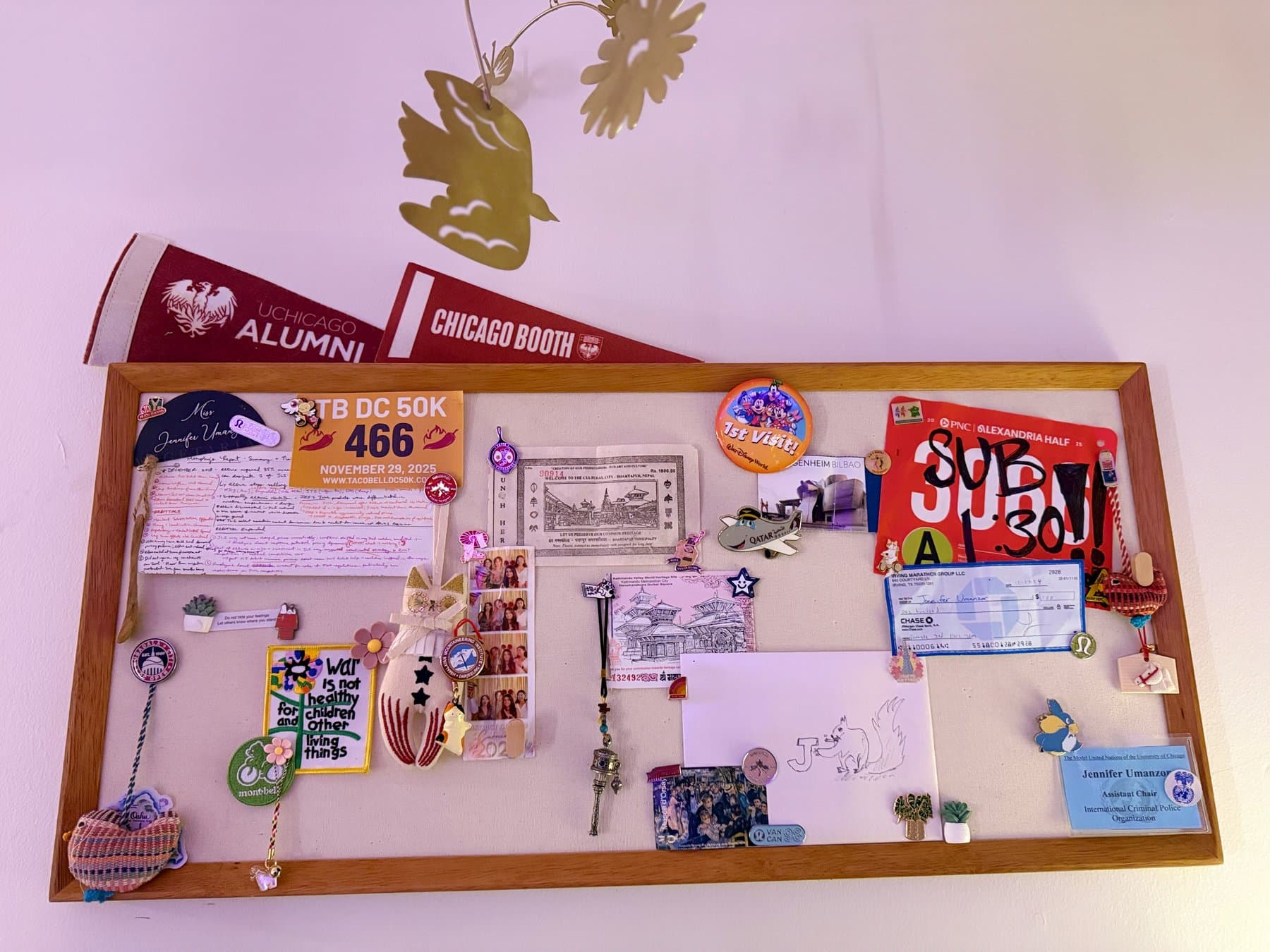
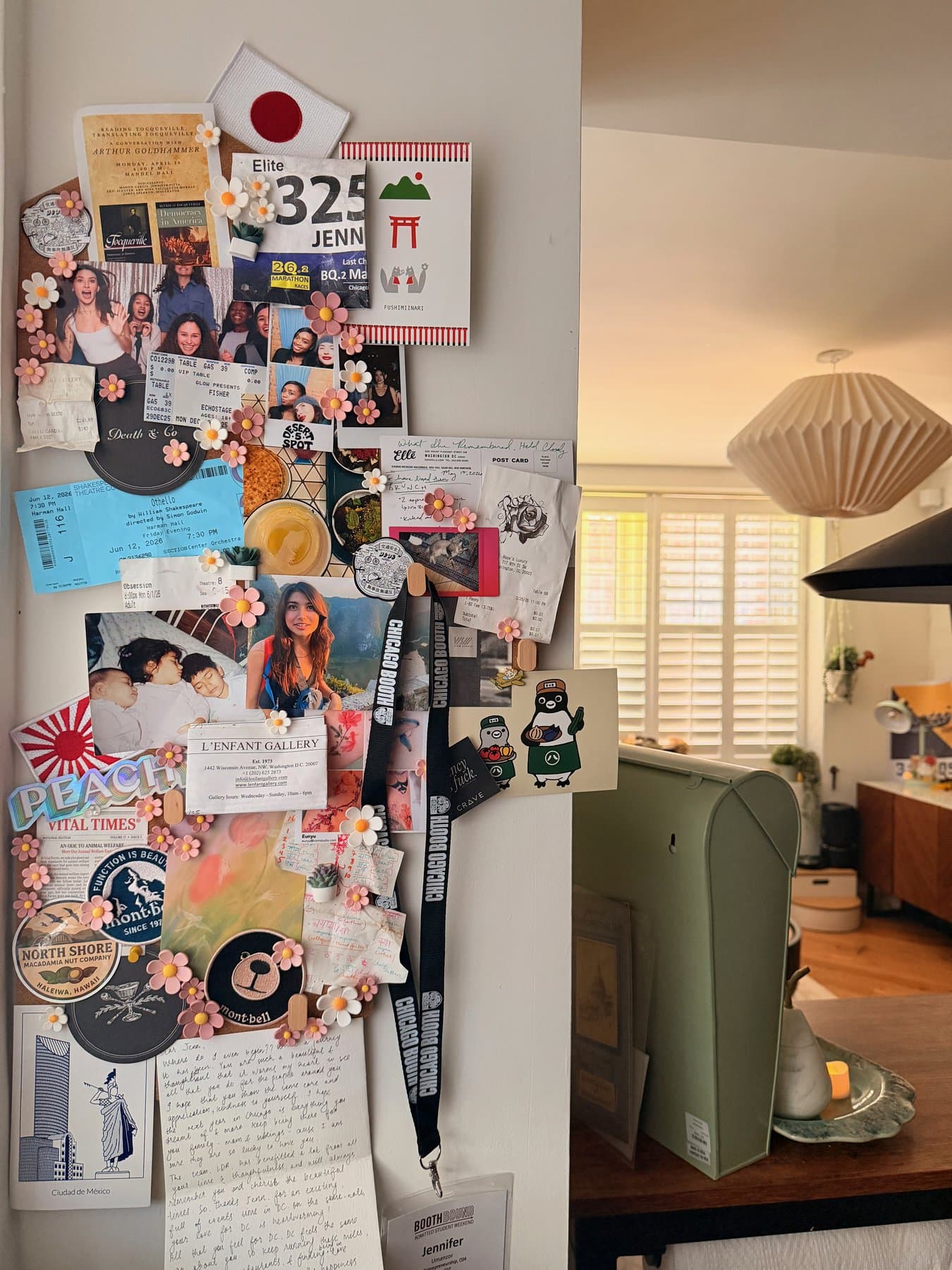
A place becomes yours the moment you start adorning it. Which is the hopeful part the books leave implied: a home you made once, you can make again.